Learning Outcomes
i. Define a gene and its role in encoding genetic information.
ii. Understand the relationship between genes and polypeptides.
iii. Explain the process of translation, where genetic information is converted into a polypeptide.
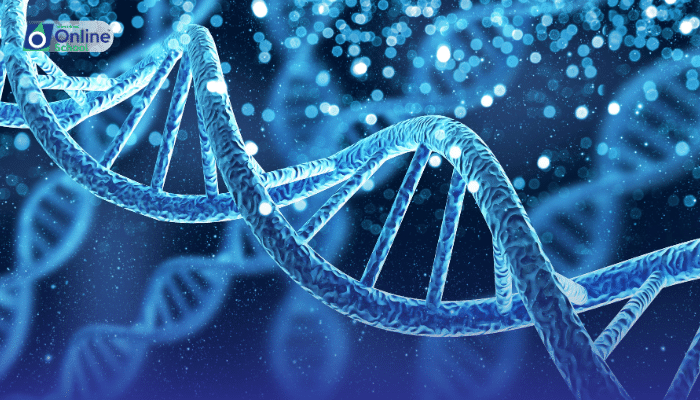
i. Genes: The Master Architects of Life: Within the intricate tapestry of DNA, the molecule that holds the blueprint of life, reside the fundamental units of heredity – genes. These segments of DNA, composed of a sequence of nucleotides, are the ultimate instructions for building and maintaining the machinery of life, the proteins.
ii. Decoding the Genetic Message: From DNA to Polypeptides: Genes are not merely inert sequences of nucleotides; they harbor the power to orchestrate the synthesis of polypeptides, the building blocks of proteins. Polypeptides are long chains of amino acids, the fundamental units of proteins. Each gene specifies the unique sequence of amino acids that will form a particular polypeptide.
iii. The Central Dogma of Molecular Biology: A Three-Act Play: The conversion of genetic information from DNA to polypeptides involves a two-step process: transcription and translation. Transcription, the first act of this molecular play, involves the copying of the DNA sequence into a messenger RNA (mRNA) molecule. This mRNA molecule, a faithful copy of the gene, acts as an intermediary, carrying the genetic message from DNA to the ribosome, the protein-synthesizing factory of the cell.
iv. Translation: Unveiling the Genetic Code: Translation, the second act of this molecular drama, unfolds within the ribosome. The ribosome reads the mRNA sequence, deciphering it into a string of amino acids using the genetic code, a universal language that links nucleotides to amino acids. As the ribosome reads the mRNA sequence, it assembles the corresponding amino acids, forming a growing polypeptide chain.
v. The Genetic Code: A Universal Language of Life: The genetic code is a set of rules that dictates the relationship between nucleotides and amino acids. Each codon, a group of three nucleotides, specifies a particular amino acid. The genetic code is degenerate, meaning that multiple codons can code for the same amino acid, but it is also unambiguous, ensuring that a given codon always codes for the same amino acid.
vi. The Role of tRNA in Translation: Bridging the Gap: Transfer RNA (tRNA) molecules play a crucial role in translation, acting as interpreters of the genetic code. Each tRNA molecule has a specific anticodon, a sequence of three nucleotides that pairs with the complementary codon on the mRNA. tRNA molecules carry amino acids to the ribosome, ensuring that the correct amino acid is incorporated into the growing polypeptide chain.
vii. The End Product: A Functional Polypeptide: Once the ribosome has reached the end of the mRNA sequence, the completed polypeptide chain is released. This polypeptide undergoes a series of modifications, known as post-translational modifications, which determine its final structure and function. The mature polypeptide, now a functional protein, embarks on its journey to carry out its designated role in the cell.
Genes, the fundamental units of heredity, are not mere sequences of nucleotides; they are the master architects of life, orchestrating the synthesis of polypeptides, the building blocks of proteins. Through the intricate processes of transcription and translation, genetic information is transformed into functional proteins, the workhorses of cells, driving the myriad processes that sustain life.
